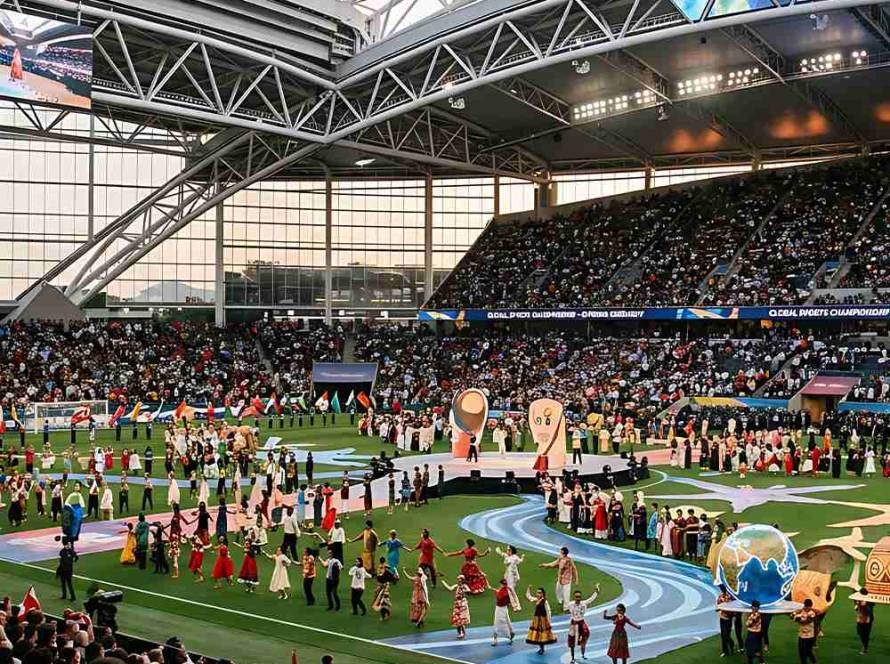


Sport event sponsorship is a large market, and North America is its biggest region. One research firm valued the global market at about $65.7 billion in 2025 and gave North America a 38.4% share. Fans also pay attention to who backs the sport they follow. Nielsen’s 2025 Global Sports Report found that 67% of global football fans view a brand more favorably when it sponsors the sport, and 54% of non-fans say the same. Research by The Space Between, reported by Infront and SPORTFIVE, found that fans of women’s sport are 25% more likely to buy from a sponsor than fans of men’s sport.
None of that makes a first sponsorship easier to win. Beginners usually arrive with an event and a funding gap. Sponsors arrive with a different question: which audience will this put me in front of, and what will I get to do there? Whether you run a tournament in Ottawa or a charity game in Ohio, the deal starts to make sense once you know what is actually being sold. This guide explains what sports event sponsorship is, how deals are built, what they cost, how Canada and the US differ, and how to approach your first sponsors.
What Is Sports Event Sponsorship?
Sports event sponsorship is an agreement where a brand gives money, products, or services to a sporting event in return for exposure, marketing rights, and access to the audience. The event could be a tournament, a race, a league final, or a charity match. The organizer gets funding and credibility. The brand gets a place inside something people already care about. It sits next to three related models. Team sponsorship runs across a season and builds a relationship with a fan base. Athlete sponsorship attaches a brand to one person and their following. Venue sponsorship, including naming rights, ties a brand to a building. Event sponsorship is the most flexible of the four because it is tied to a specific weekend or tournament calendar, which makes it easier for a first-time sponsor to say yes.
It also differs from advertising. Advertising buys attention. Sponsorship buys association, and often the right to activate, which means running a sampling booth, a contest, or a fan zone. The idea is old. Infront traces Coca-Cola’s first Olympic deal to 1928, and the partnership continues today. If you want the wider picture across every event type, our complete guide to event sponsorship covers it.
How a Sports Sponsorship Deal Works
Every deal is an exchange of rights for value. The organizer offers assets such as naming, signage, content, hospitality, and on-site space. The sponsor pays in cash, in kind, or a mix of both. The paperwork is what turns that exchange into a working partnership. A sound agreement covers logo and content usage rights, category exclusivity, the term and renewal, activation duties, approval steps, performance clauses, and how either side can exit. Visme’s sponsorship guide makes a point worth copying: agree in writing, before anything goes live, on what success looks like, using specific targets such as engagement rates or leads.
Money is not the only currency. In-kind sponsors supply equipment, apparel, transport, or technology. For a small event, a sports store that provides balls and uniforms can be worth as much as a cash payment, because it removes a line from your budget.
Types of Sports Event Sponsorship
You can describe sponsorship by what the sponsor gives or by what the sponsor gets. By what they give, the common forms are financial, in-kind, and media sponsorship, where the sponsor pays for broadcast or streaming presence. By what they get, one event can usually sell several layers at once.
Title or presenting sponsorship
The headline deal, where the brand’s name becomes part of the event name. BMO has been title sponsor of the Vancouver Marathon since 2007, which shows how one brand can stay tied to one event for years.
Kit and equipment sponsorship
Logos on jerseys, uniforms, or gear, or a supplier providing the equipment itself.
Venue and signage sponsorship
Field boards, arena signs, and scoreboard branding.
Digital and broadcast sponsorship
Livestream branding, social content series, and app placements. Infront points out that digital gives sponsors a more accurate measure than kit or in-venue signage, which can only be counted indirectly.
Community and grassroots sponsorship
Youth programs, clinics, and local team tie-ins.
What Sponsors Look For
Sponsors judge four things: audience fit, engagement, the chance to activate, and proof of results. Remo’s guide notes that modern sponsors expect fan engagement, digital interaction, and measurable reach, and that a banner or logo alone is no longer enough. The figure that surprises most beginners is the activation ratio. Lumency, a sponsorship consultancy quoted by Visme, puts the global average at 0.81 to 1. That means sponsors spend roughly 81 cents on activation for every dollar they pay in rights fees. Read it from the sponsor’s side: your fee is only part of what they plan to spend. A package with room for a fan zone or a contest gets used. A package that offers only a logo often does not, and under-activated sponsorships are the ones that tend not to renew.
Fit matters just as much. A family-focused local business and a national bank want different crowds. Know who attends your event before you decide who to approach.
How Much Does Sports Event Sponsorship Cost?
There is no standard rate card. Price moves with audience size, the sport, the market, season length, exclusivity, media exposure, and the assets included. SPORTFIVE describes a range from a few thousand dollars for local sponsorships to millions for global partnerships. Local youth and community events often price entry tiers in the hundreds to low thousands of dollars. One local-league guide suggests a four-level structure that starts with a $50 to $100 player sponsor.
Three habits help you set a number you can defend:
Price by audience, not by cost alone. One athletic-director guide values each expected attendee at a set amount. At $2 per person, a game with 1,000 people supports a $2,000 sponsorship.
Charge for exclusivity. The same guide applies a 3x multiplier for category exclusivity, so a $2,250 base becomes $6,750.
Keep the ladder climbable. A common recommendation is a top tier about three to four times the bottom tier, not ten times.
If you are comparing your prices against US benchmarks but selling to Canadian brands, say which currency you are quoting. Most published rates are in USD.
Sports Event Sponsorship in Canada and the US
Both markets buy the same categories, but the conversations differ.
In Canada, national banks are highly visible. BMO backs the Vancouver Marathon and the Spruce Meadows Nations’ Cup in equestrian sport. TD puts its name on venues across the country, including one in Saint John, New Brunswick that hosts the Sea Dogs junior hockey team. A 2026 roundup of youth-sports funders lists Tim Hortons, Canadian Tire Jumpstart, Scotiabank, TD, and FCA Canada. It notes that some run structured grant applications while others decide through local branches or dealerships. A Canadian organizer often needs two routes: a formal application for national programs and a personal relationship for local businesses.
In the US, the market is larger and more crowded. Brands often named among the biggest sports sponsors include Nike, Adidas, Coca-Cola, PepsiCo, and Red Bull. Those names are mostly bought at league and national level. Regional and local businesses are the realistic first targets for a new event. If you pitch on both sides of the border, build one package and two price lists, one in CAD and one in USD.
How to Attract Sponsors to Your Sports Event
Start with your numbers
Gather attendance, participant and spectator demographics, number of games or days, and your social and email reach. BenchApp’s guide includes concrete figures such as how many families will see a logo and how many games are played.
Build tiers that differ in kind
Tiers that only differ by logo size push the buyer to shop on price. Tiers that offer different things, such as stage time, curated access, or visibility only, let the sponsor buy on fit. Our guide to structuring event sponsorship packages that convert shows how.
Build a real prospect list
BenchApp suggests listing about twenty potential sponsors before you start, since many will say no. Look at who already sponsors other teams and events in your league. A business that sponsors sport has already decided it sees value.
Make the pitch personal
For local events, walking in, introducing yourself, and leaving a one-page summary tends to beat a cold email. Follow up within a week. BenchApp notes that many sponsors say yes on the second or third conversation.
Deliver, then report
Send photos, reach numbers, and results after the event. Visme reports that 76% of marketers still struggle to calculate sponsorship ROI accurately, so a clear recap report does a lot of the work for them and makes a renewal easier.
Mistakes First-Time Organizers Make
The most common one is selling a logo and nothing else. Close behind are pitching without audience data, setting a price without checking what comparable events charge, leaving no room in the package for activation, and skipping the post-event report. Timing matters too. Sponsors plan budgets months ahead, so a pitch sent two weeks before the event is usually too late.
Frequently Asked Questions
What is sports event sponsorship in simple terms?
A brand supports a sporting event with money, products, or services and receives exposure, marketing rights, and access to the audience in return.
Is sponsorship the same as a donation?
No. Sponsors look for audience access, visibility, engagement, and measurable returns, so a request that reads like a fundraising appeal tends to fail.
Can a small local event get sponsors?
Yes. Local businesses often value direct access to a nearby customer base at a lower cost than national sponsorship. Pricing usually rests on community reach and season length rather than pro-level audience numbers.
How early should I start?
Months before the event. Most sponsors set budgets well ahead of the calendar.
Final Thought
Sports event sponsorship comes down to a fair exchange. Sponsors get access to an audience and a way to reach it. You get funding and a partner who wants to come back. Know your audience, price it with a method you can explain, leave room for activation, and report what happened. Do those four things and even a first-year event has a real chance of landing a sponsor.
If you run a sports event, league, or tournament in Canada or the US and want help with valuation, packaging, and outreach, WW Sponsorship handles sponsorship sales for sporting events from first pitch to renewal. Book a free consultation to talk through your plan.