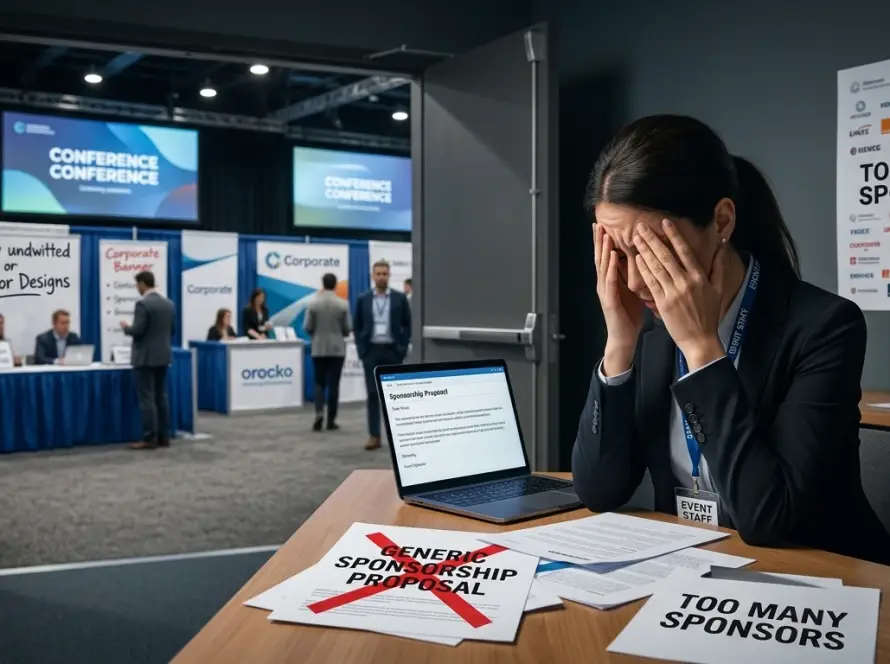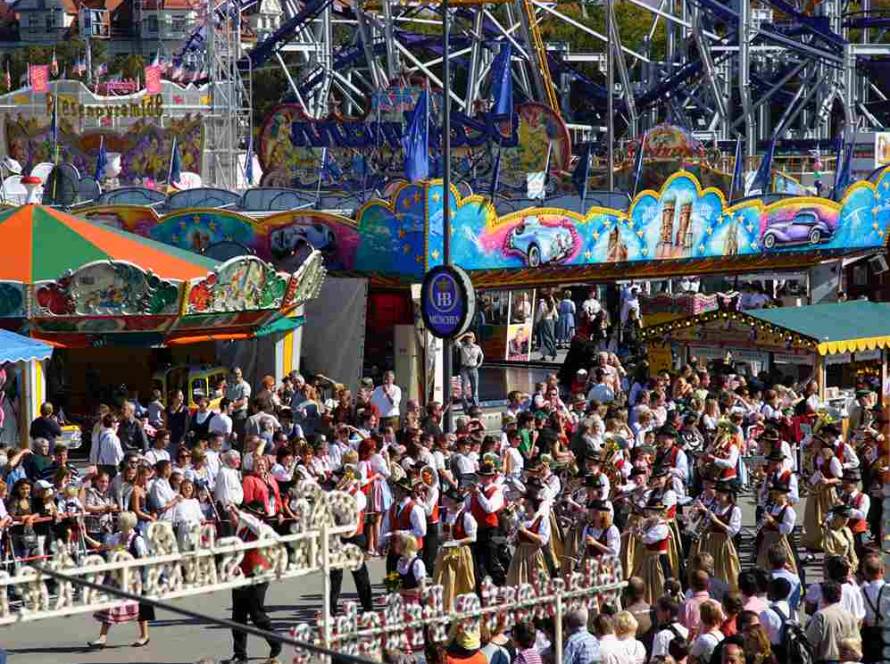


Festivals run on thin margins. TickPick’s organizer guide says net margins on many independent events sit around 10 to 15 percent, and that sponsorship dollars land almost entirely on the bottom line because they carry no talent, production, or per-ticket cost. At the other end of the scale, Ticket Fairy reports, citing Pollstar, that Live Nation’s global sponsorship revenue reached a record $1.2 billion in 2024. Every music, food, film, and community festival sits somewhere between those two numbers.
Sponsorship is also where many festivals leave money behind. Brands are interested in festival audiences, but the assets are often never packaged around what those brands want: a specific audience, content for their own marketing, and a presence that feels part of the event instead of bolted onto it. This guide explains what festival event sponsorship is, how it differs from other event deals, the types of sponsorship you can sell, what it costs, how the Canadian and US markets compare, and how to approach sponsors step by step.
What Is Festival Event Sponsorship?
Festival sponsorship is a partnership where a brand provides funding, products, or services to a festival in return for marketing rights and access to its attendees. Crescat, a festival software company, describes the common forms as stage or area sponsorship, branded activations, logo placement, and vendor or exhibitor opportunities. That is why attendance alone rarely closes a deal. Two festivals with similar crowds can see very different results, because sponsors are buying audience fit and engagement, not a headcount.
Festival vs Event vs Concert Sponsorship
The terms overlap, but the deals differ. Festival sponsorship tends to be multi-day and experience-driven, with room for sampling, immersive activations, and several sponsor zones. General event sponsorship is often built around a shorter, narrower moment with fewer assets and a more transactional feel. Concert sponsorship usually centers on one show or a short tour, with fewer assets but sometimes tighter alignment between artist and brand. Film and arts festivals sell around screenings, juries, and premiere moments, while music festivals sell around stages, sets, and on-site activation. If you run a festival and also host one-off events, pitch them separately. The packaging logic is different. Our festival sponsorship sales service is built around that difference.
Types of Festival Sponsorship
A single festival can usually sell several layers.
Presenting or title sponsorship: The headline deals across the whole event, with naming rights and the highest visibility.
Stage and area sponsorship: Naming a specific stage, tent, family zone, or food area. Eventbrite’s guide describes gold sponsors receiving a large tent in a prominent spot and naming rights to a stage or VIP lounge.
Vendor, sampling, and activation rights: On-site product sampling and branded experiences.
Content and livestream sponsorship: Recap videos, broadcast branding, and social content series.
In-kind partnerships: Unite Worldwide, an event management platform, lists businesses that provide essential services such as waste management or equipment in exchange for recognition.
Category exclusivity: Being the only official beverage or the only official bank of the festival. Exclusivity often carries a premium on top of the base price.
What Sponsors Look For
Brands want a fit they can explain to their own boss. Cvent’s guide gives a simple example: a company that sells household appliances is a poor match for a music festival, while a beverage brand can be a great fit. Canadian festivals show how seriously fit is treated. Pride Toronto asks prospective sponsors to complete an application so the festival can see whether their values and interests align. WorldFest in Toronto says it does not sell generic tiers and designs packages around each sponsor’s goals. The Calgary Folk Music Festival cites independent audience research showing loyal, repeat attendees, which gives sponsors a stated reason to expect a return. The lesson for organizers is to lead with audience quality. Know the age range, income range, how far people travel, and how the event is perceived locally. Those are the details sponsors ask for.
How Much Does Festival Sponsorship Cost?
Pricing varies widely with size, market, and what is included. Treat every published range as a starting point. TickPick’s guide says local events typically price sponsor tiers between $500 and $5,000. Regional events with 1,000 or more attendees push title and presenting deals to $5,000 to $25,000, and higher in major metros. A community-festival example from SeeMyLegacy lists a presenting sponsor at $10,000 or more, gold at $5,000, silver at $2,500, and bronze at $1,000, with à la carte options such as a $2,000 stage sponsorship.
For a method that holds up in a sponsor meeting, estimate total impressions across on-site presence, email, SMS, and social, then apply a cost per thousand impressions. TickPick puts event sponsorship CPMs in a range of about $8 to $60. As an illustration, 100,000 total impressions at a $20 CPM supports a $2,000 package. Adjust upward for exclusivity and for assets like sampling rights that give the sponsor something beyond visibility. Unite Worldwide suggests three to four tiers as a standard. More than that can overwhelm a buyer. Whatever you charge, state the currency.
Timing and First-Year Festivals
Start earlier than feels necessary. The Sponsorship Collective warns that most sponsors plan months ahead, and late outreach shrinks your options. It also cautions that last year’s sponsors will not automatically return. Renewals take communication, new ideas, and proof of results.
First-year festivals face an extra hurdle. Festival and Event Production notes that unproven events are harder for sponsors to attach to, suggests offering multi-year discounts with out-clauses in case the event does not last, and warns against relying on sponsorship income to cover core expenses. That last point is a risk management rule worth keeping: budget so the festival survives without a sponsor cheque, and treat sponsorship as what improves the experience. For a first edition, price against projected attendance, the organizing team’s track record, and comparable events. A clear lineup, venue, and audience profile go a long way in a first pitch.
Festival Sponsorship in Canada and the US
Both markets buy the same core categories: food and beverage, banks and financial services, telecom, retail, and local business. The routes to those buyers differ. In Canada, regional and city-level channels matter. The City of Toronto publishes a guide for music sponsorship seekers, adapted with permission from The Sponsorship Collective. Festival sponsor pages such as Pride Toronto’s and the Calgary Folk Music Festival’s show how established Canadian festivals speak to brands directly.
In the US, much of the ranking guidance comes from ticketing and event platforms such as Eventbrite, TickPick, and Ticket Fairy, and pricing guidance is usually written for US metros. Festival and Event Production links to real festival sponsorship decks from the Atlanta Jazz Festival and Red Fest, which are useful models for layout and content. If you sell to brands in both countries, prepare a rate card in CAD and one in USD, and keep the assets identical so comparisons are easy.
How to Get Festival Sponsors, Step by Step
Value your assets and audience
List every sellable layer and gather the audience data sponsors ask for. Benchmark your prices against comparable festivals in your category.
Design tiered packages
Build tiers that differ in kind, for example presenting sponsor, stage sponsor, sampling rights, and hospitality. Our guide to event sponsorship packages that convert walks through examples.
Target brands that fit
Prioritize companies whose audience, category, and marketing calendar match yours. Companies already sponsoring local events, venues, and teams are usually the easiest place to start, according to TSE.
Pitch and negotiate
Research the brand first and write to the person who handles sponsorship. TSE advises keeping prices out of the initial pitch package and putting them in the proposal, so the conversation starts with value.
Define the deal points
Agree on category exclusivity, on-site footprint, sampling rights, content usage, and renewal terms in writing.
Activate and report
TSE’s advice is to over-deliver without over-promising and to prepare a recap. Send photos, reach, and results soon after the event.
Mistakes That Cost Festivals Sponsors
Sending the same mass email to every brand. Treating sponsorship as ad space. Waiting until the lineup is announced. Assuming last year’s sponsors will renew without a conversation. Our list of common event sponsorship mistakes covers these in more detail.
Frequently Asked Questions
Is festival sponsorship the same as event sponsorship?
They overlap, but festival sponsorship is usually multi-day and experience-driven, while general event sponsorship is often built around a single shorter moment.
Can a first-year festival attract sponsors?
Yes. Pricing leans on projected attendance, the team’s track record, and comparable events instead of history.
What do sponsors get beyond a logo?
Category exclusivity, on-site space, sampling or activation rights, content usage, and reporting after the event.
Should I count on sponsorship to cover costs?
No. Plan the budget so the festival can run without it, and use sponsor income to improve the event.
Final Thought
Festival sponsorship works when the brand and the audience genuinely match, and when the deal gives the sponsor something to do, not only something to be seen on. Know your attendees, package your assets in layers, start early, protect yourself against a sponsor pulling out, and follow every event with a clear report. Those habits are what turn a first-year yes into a partner who returns.
If you organize a festival, concert series, or cultural event in Canada or the US and want help with valuation, package design, and outreach, WW Sponsorship handles festival sponsorship sales from pricing to renewal. Book a free consultation to discuss your sponsorship plan.