

Podcast advertising is no longer a niche experiment. US podcast ad revenue reached $2.862 billion in 2025, up 17.6% year over year, according to the IAB and PwC’s Internet Advertising Revenue Report, making it the fastest-growing format inside the broader digital audio category. Canada is riding the same wave and then some: monthly podcast reach hit a record 46% in 2026, per Triton Digital’s Canadian Podcast Report, and Grand View Research names Canada the fastest-growing podcast sponsorship market in North America heading toward 2033. That growth has made brands on both sides of the border more willing to sponsor smaller, niche shows than ever before. It has also made the sponsorship process more competitive, because more podcasters are chasing the same advertiser budgets. Getting sponsorship for your podcast in 2026, whether you are pitching US or Canadian brands, comes down to having the right numbers, the right pitch, and the right sense of what a sponsor is actually buying.
This guide covers how podcast sponsorships work, what they typically cost, how to build a proposal that gets a reply, and where to find sponsors in the first place.
How Do Podcast Sponsorships Work?
A podcast sponsorship is an agreement where a brand pays to have its product, service, or message featured inside your show, usually in exchange for a fee tied to your audience size. Most deals are priced on a CPM basis, meaning cost per 1,000 downloads or listens, though flat-rate deals are common for smaller or highly niche shows where download counts alone undersell the audience value.
Sponsorships generally take one of three forms. A pre-roll ad runs in the first minute or two of an episode and is usually the cheapest placement, since some listeners have not yet committed to the episode. A mid-roll ad, placed once the listener is invested in the content, commands the highest rates because it performs best. A post-roll ad, read after the main content ends, is the most affordable option and works well for smaller shows building their first sponsor relationships. Beyond straight ad reads, sponsorships can include branded segments, affiliate codes, giveaways, and even a full episode built around a sponsor’s product or story.
How Much to Charge for Podcast Sponsorship
Pricing is where most new podcasters get stuck, because published rates vary widely depending on who is doing the publishing. As a working benchmark for 2026, host-read mid-roll ads typically run $15 to $30 CPM, pre-roll spots run $15 to $25 CPM, and post-roll or programmatic placements run lower, often $5 to $15 CPM. Shows in high-value categories like finance, business, or technology can command $40 CPM or more, because advertisers in those niches earn more per converted listener and are willing to pay accordingly.
To translate CPM into real numbers: a show averaging 5,000 downloads per episode selling a mid-roll at $25 CPM earns roughly $125 per episode from that single spot. A weekly show running that same rate across a year brings in around $6,500 from one sponsor slot alone, before accounting for pre-roll, post-roll, or multiple sponsors per episode.
If your show is too new to have reliable download data, price around value instead of volume. Factor in audience engagement, how niche and purchase-intent-driven your listener base is, and what comparable shows in your category charge. A smaller show with a highly targeted, high-intent audience can often out-earn a larger, more general one on a per-listener basis. If you are pitching both US and Canadian brands, quote in the currency your prospect budgets in and be upfront about it. Most rate benchmarks published online are in USD, so a Canadian show pitching a US sponsor should convert clearly rather than leaving the currency ambiguous.
Building a Podcast Sponsorship Proposal That Gets Read
A sponsorship proposal is the single biggest factor separating podcasters who land deals from those who get ignored. Brands receive far more pitches than they can respond to, so a proposal needs to answer their questions before they have to ask.
Lead with your audience, not your show: Sponsors are not buying your content, they are buying access to a specific group of listeners. Open with who your audience is, what they care about, and why that audience matches the sponsor’s customer profile.
Include real numbers: Downloads per episode, listener demographics, publishing frequency, and past sponsorship results if you have them. A proposal with concrete data outperforms one built on enthusiasm alone.
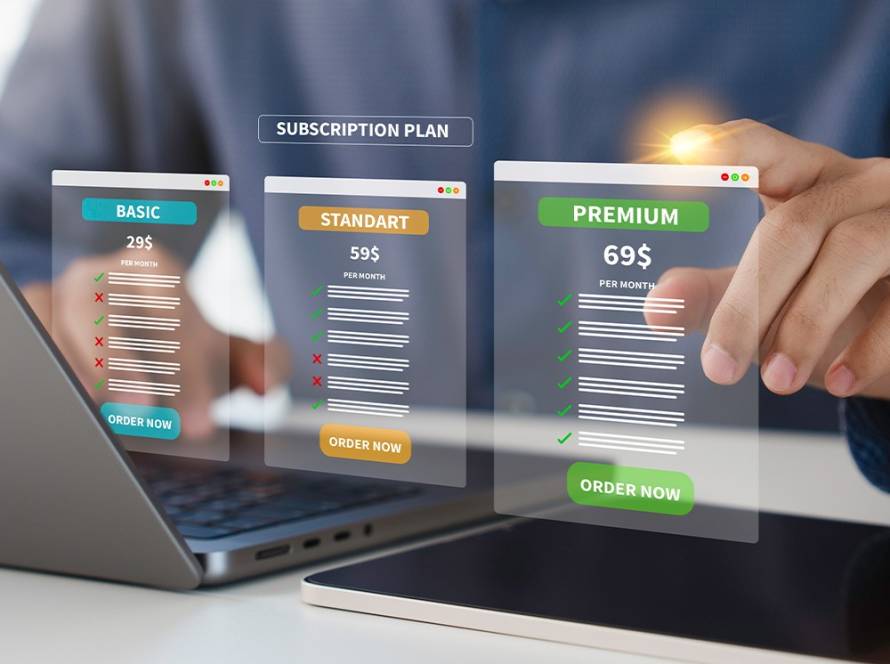
Offer tiered packages: A single price point limits who can say yes. Structuring tiered sponsorship packages, from a single ad read to a full-episode partnership, lets a prospect choose based on their budget rather than declining outright.
Make the task specific: Rather than a vague pitch, state the placement, the price, the episode count, and what the sponsor gets in return, including any social or newsletter promotion bundled in.
Keep it short: A one or two-page proposal, or a clean one-pager built from a proposal template, converts better than a long deck. Sponsors are evaluating dozens of shows and need to compare quickly.
Where to Find Podcast Sponsors
Once your pricing and proposal are ready, sourcing sponsors comes down to a few reliable channels.
Direct outreach: Identify brands that already advertise on podcasts in your niche or that sell products your audience would genuinely use, then pitch them directly with your proposal. This route keeps the full sponsorship fee rather than splitting it with a network, though it takes more time upfront.
Podcast advertising networks and marketplaces: These platforms connect shows with advertisers and handle negotiation, ad insertion, and payment, typically in exchange for a percentage of revenue. They are a practical starting point for newer shows that do not yet have direct advertiser relationships, though most set minimum download thresholds to join.
Affiliate and referral partnerships: Rather than a flat sponsorship fee, some brands offer a commission on sales driven through a unique code or link. This works well for smaller shows still building download numbers, since payment scales with performance rather than audience size alone.
Industry events and networking: Podcasting conferences, marketing meetups, and even LinkedIn outreach to brand marketing teams can surface sponsorship conversations that never show up in a marketplace listing.
Podcast Sponsorship Examples Worth Studying
Looking at how established shows structure their sponsorships is one of the fastest ways to improve your own pitch. Business and finance podcasts often bundle a mid-roll ad with a dedicated promo code and a mention in the show notes, giving the sponsor both awareness and trackable conversions. True crime and comedy shows, which tend to have larger but less purchase-intent-driven audiences, frequently rely on multiple shorter reads per episode rather than one premium placement. Niche hobby and lifestyle podcasts often negotiate product trades alongside cash, giving new podcasters a lower-friction way to build sponsor relationships before they have the downloads to command full CPM rates.
Podcast Sponsorship in 2026: What’s Changing
A few shifts are worth watching this year, alongside the broader sponsorship trends shaping every sponsored market right now. Video is increasingly part of the sponsorship conversation, since a large majority of podcast creators now publish video versions of their shows, and sponsors are starting to ask for combined audio and video reach in a single deal. Programmatic buying continues to grow, giving smaller shows access to advertiser budgets without needing a direct sales relationship, though at lower CPMs than host-read placements. And niche, purchase-intent-driven audiences continue to command a premium over raw download counts, which is good news for podcasters in specialized categories who might otherwise assume they are too small to attract real sponsors.
Final Thought
Getting sponsorship for a podcast in 2026 is less about chasing every available advertiser and more about proving your audience is worth their budget. Know your numbers, price around the value of your listeners rather than just their volume, and put together a proposal that makes it easy for a sponsor to say yes. The market is growing fast enough that a well-positioned show, even a modestly sized one, has a real shot at landing consistent sponsor revenue.
If you organize podcasts, live events, or influencer content in Canada or the US and want help structuring sponsorship packages or running outreach to advertisers, our event sponsorship agency works across podcasts and other engagement-driven markets on both sides of the border to turn audience reach into sponsorship revenue. Book a free consultation to talk through your sponsorship strategy.